
The cost of an epoxy garage floor in St. Louis depends on more than the size of the space. Concrete condition, surface preparation, repairs, coating type, finish, and project access can all change the final estimate. Two garages with the same square footage may require very different scopes of work.
This guide explains the factors that affect epoxy garage floor coating costs, what a professional estimate should include, and how to compare options without choosing a system based on price alone.
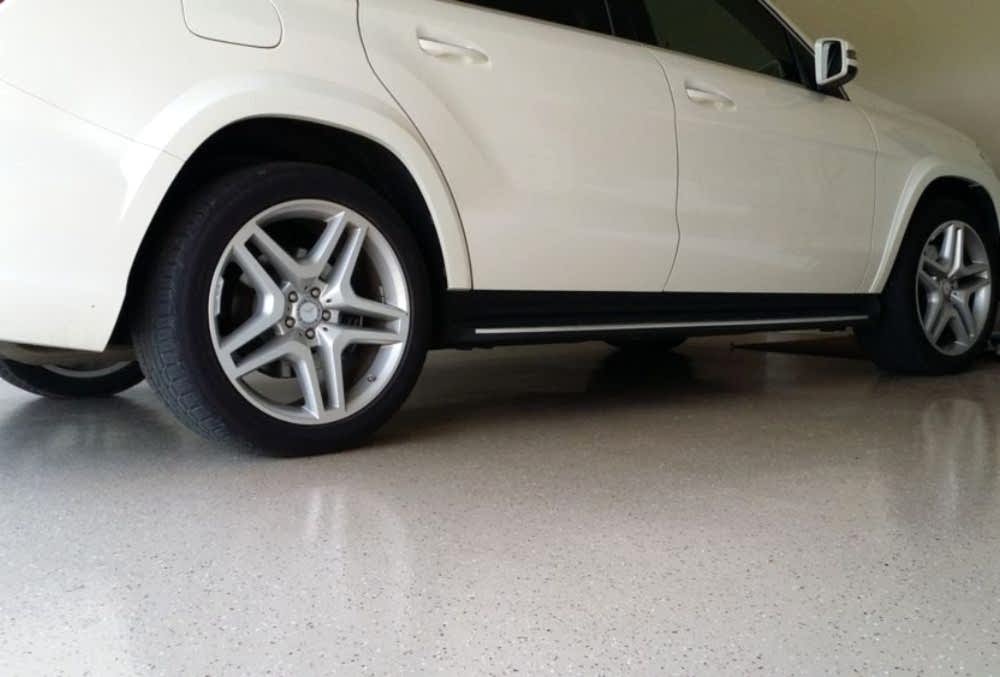
What Affects Epoxy Garage Floor Cost in St. Louis
Because the company does not publish a standard per-square-foot rate, the most useful starting point is understanding which conditions increase or reduce the project scope.
Garage size and layout.
A one-car garage generally requires less material and labor than a two- or three-car space. Stairs, stem walls, floor drains, built-in cabinets, and difficult edges can add preparation and application time.
Concrete condition.
Cracks, pitting, spalling, oil contamination, moisture concerns, and failing old coatings must be addressed before a new system is installed. Older St. Louis garage slabs may also show deterioration from freeze-thaw cycles and deicing salts tracked in by vehicles.
Surface preparation.
Professional grinding or shot blasting creates the profile needed for reliable adhesion. A floor that requires coating removal, deeper grinding, or extensive cleaning will usually involve more labor than clean, uncoated concrete.
Coating system.
A standard epoxy system and a multi-layer system with polyurea or polyaspartic components do not have the same material cost, cure time, or performance characteristics. The right choice depends on how the garage is used and the exposure it receives.
Decorative finish and traction.
Solid colors, decorative flakes, metallic effects, gloss level, and optional slip-resistant texture can affect both materials and application time.
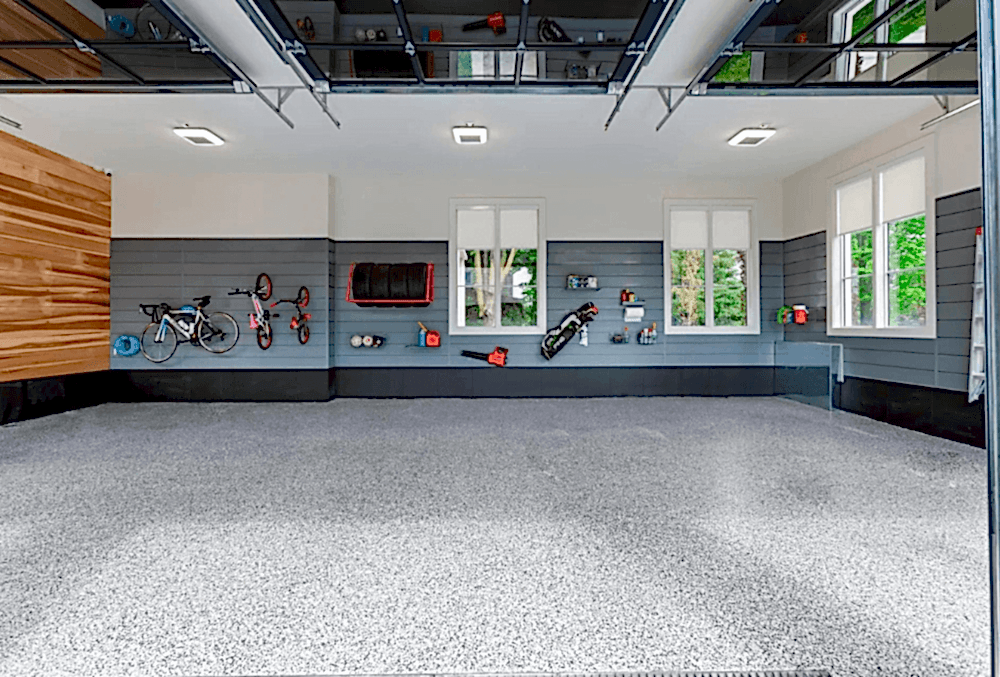
What a Garage Floor Coating Estimate Should Include
A useful estimate should describe the complete system, not only a total price. Before comparing proposals, confirm that each one addresses:
· Concrete inspection and moisture or contamination concerns
· Mechanical surface preparation method
· Crack, pit, and spall repairs
· Primer, base coat, decorative layer, and topcoat
· Optional traction additive or vertical surfaces
· Expected cure time and return-to-service window
· Manufacturer warranty and workmanship coverage
Comparing the same scope prevents a lower bid from appearing equivalent when it excludes preparation, repairs, or a protective topcoat.
Why Surface Condition Matters More Than a Generic Price
A generic online price range cannot show whether your slab needs coating removal, crack repair, moisture evaluation, or additional preparation. Those details directly affect adhesion and long-term performance. Covering damage without correcting the underlying surface can lead to peeling, lifting, or an uneven finish.
A professional on-site assessment allows the installer to measure the garage, inspect the concrete, discuss how the space is used, and recommend an appropriate system before finalizing the quote.
Epoxy or Polyurea Polyaspartic
Epoxy is a durable, cost-conscious option for many indoor garages. Polyurea and polyaspartic systems generally cure faster and can offer greater flexibility, UV stability, and resistance to temperature changes or chemical exposure. Some installations combine a base coat with a polyaspartic topcoat.
For a detailed explanation of materials, installation, and performance, review the company’s epoxy floor coating service page.
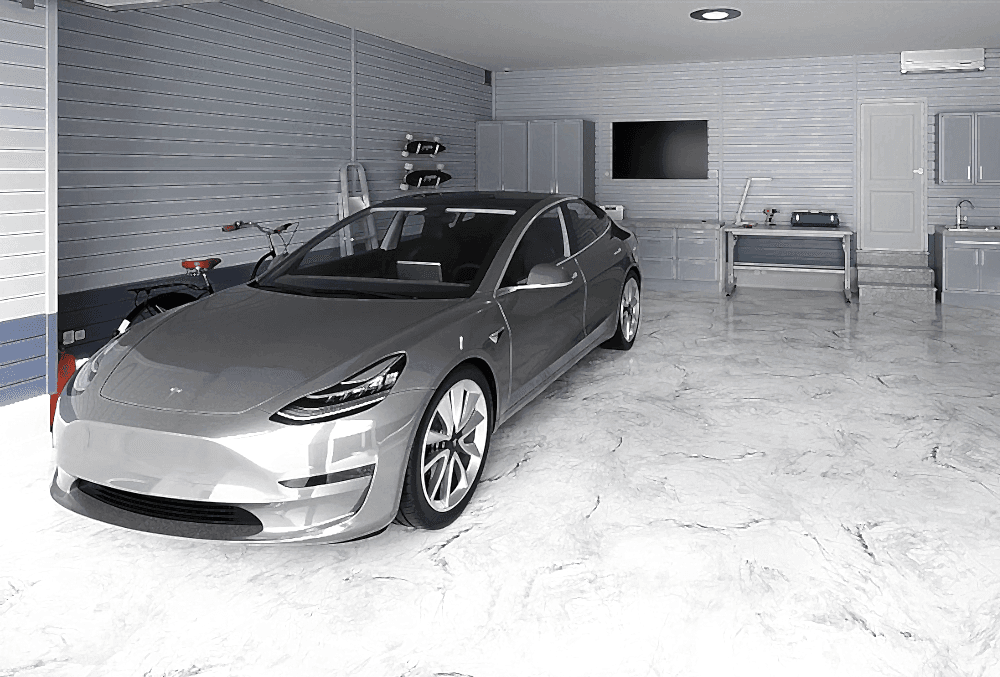
How Long Can a Professionally Installed Floor Last
The company states that a professionally prepared and installed epoxy floor coating can last 10 to 20 years in demanding environments. Actual service life depends on slab condition, preparation, coating selection, traffic, chemical exposure, and maintenance.
If vehicle use is a major concern, see these tips for reducing tire marks on epoxy garage floors. Homeowners comparing broader garage-floor options can also review the St. Louis garage floor coating service.
Questions to Ask Before Approving an Estimate
· How will the concrete be mechanically prepared?
· Which repairs are included in the quoted scope?
· What coating layers and products will be installed?
· Is slip-resistant texture recommended for snowmelt or workshop use?
· When can people walk on the floor and vehicles return?
· What warranty applies to the selected system?
Frequently Asked Questions
How much does an epoxy garage floor cost in St. Louis?
The final cost depends on garage size and layout, concrete condition, required repairs, surface preparation, coating system, decorative finish, and optional traction. An on-site estimate is the most reliable way to price the actual scope.
What makes an epoxy garage floor more expensive?
Extensive coating removal, oil contamination, cracks, spalling, moisture concerns, complex edges, multi-layer systems, decorative finishes, and slip-resistant additives can increase material or labor requirements.
Should surface preparation be included in the estimate?
Yes. The proposal should state how the floor will be prepared and which repairs are included. Mechanical preparation is critical to coating adhesion and long-term performance.
How long does an epoxy garage floor last?
The company states that a properly prepared and professionally installed system can last 10 to 20 years in demanding environments. Traffic, exposure, maintenance, and the selected system affect actual service life.
Is epoxy or polyurea polyaspartic better for a St. Louis garage?
The better option depends on budget, cure-time needs, UV exposure, temperature changes, chemicals, and garage use. A professional slab assessment can determine whether epoxy, polyurea polyaspartic, or a combined system fits the project.
Request an Epoxy Garage Floor Estimate
Get a quote based on your garage’s actual size, condition, and performance needs. Request a free estimate or call (636) 256-6733 to discuss an epoxy garage floor coating for your St. Louis-area property.


