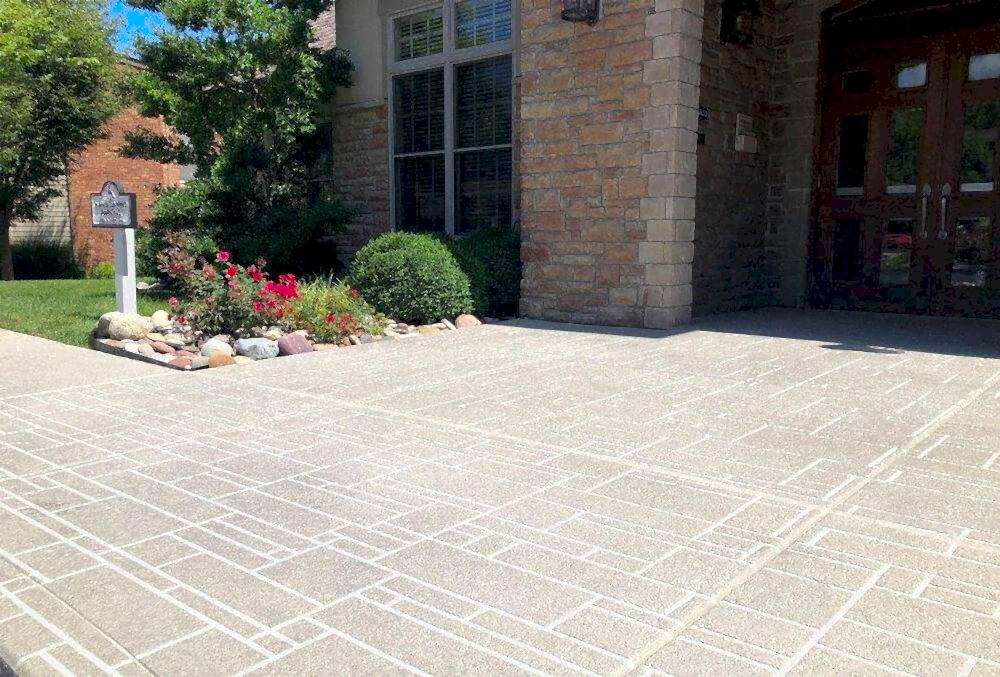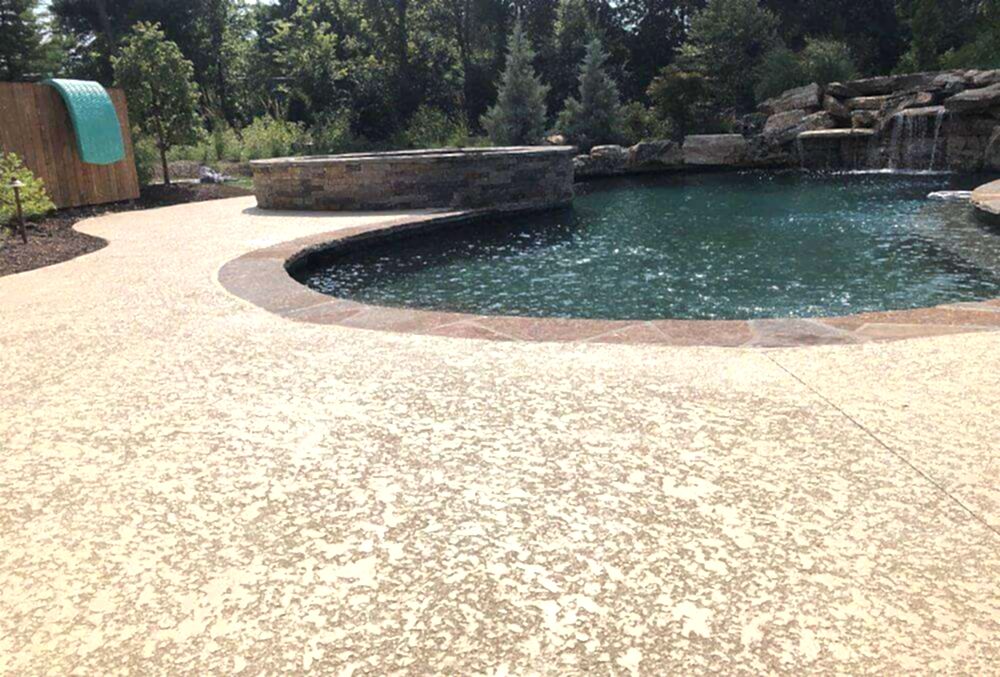
Surface Assessment
Evaluate the existing concrete for structural integrity, moisture, and adhesion suitability
If your concrete is cracked, stained, faded, or just tired-looking, a full tear-out and replacement is rarely the answer. Concrete overlays let you transform the surface you already have — adding new color, texture, and pattern — at a fraction of the cost and without the disruption of new concrete installation.
Decorative Concrete Resurfacing has been installing decorative concrete overlays across St. Louis and the surrounding Missouri communities for over 40 years. As the exclusive SUNDEK installer in the St. Louis metro area, we bring premium overlay systems to residential patios, pool decks, driveways, garage floors, and commercial spaces — installed by our own crews, not subcontractors.
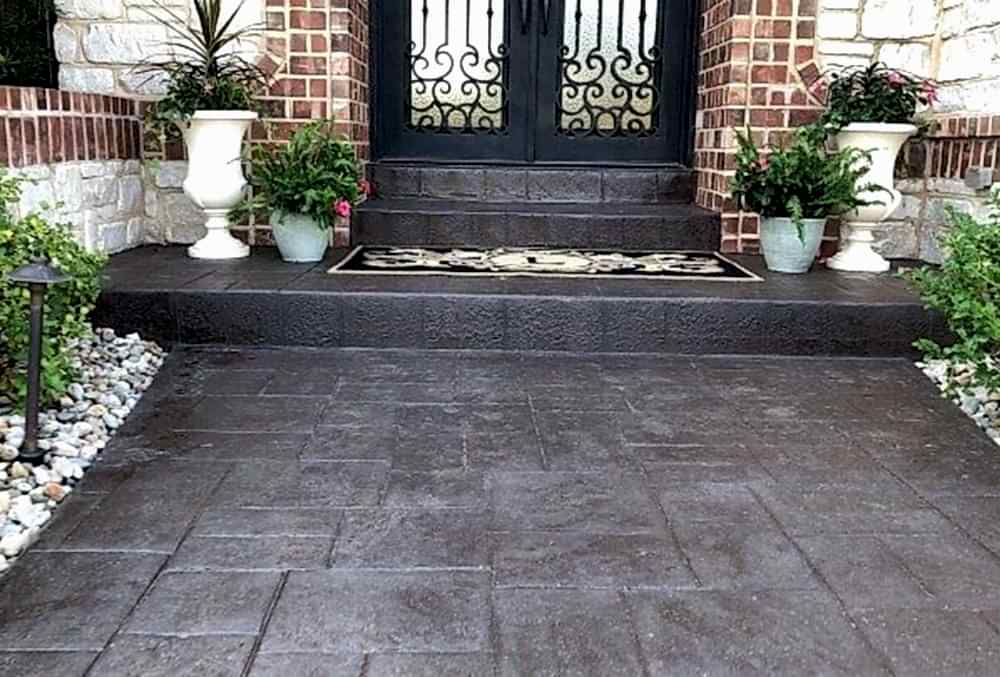
A concrete overlay is a thin layer of polymer-modified material applied directly over an existing concrete slab. The overlay bonds chemically and mechanically to the substrate, creating a new surface that can be textured, stamped, stained, or colored to suit any aesthetic.
Overlays work on concrete that is structurally sound but cosmetically damaged — surfaces with surface cracks, staining, discoloration, or worn finishes that don’t require structural repair. The result is a surface that looks completely new without removing or replacing what’s already there.
What overlays can do:
Microtoppings are ultra-thin overlay systems — typically 1/16″ to 1/8″ thick — applied to create a smooth, modern finish over existing concrete, tile, or even wood substrates. They’re a popular choice for interior renovation projects where the goal is a seamless, contemporary look without raising floor height significantly.
Self-leveling overlays are poured over uneven surfaces and naturally flow to a flat, smooth finish — ideal for interior floors with minor dips or irregularities that need to be corrected before a decorative finish is applied.
Best For: Interior renovations, modern residential and commercial floors, surface leveling
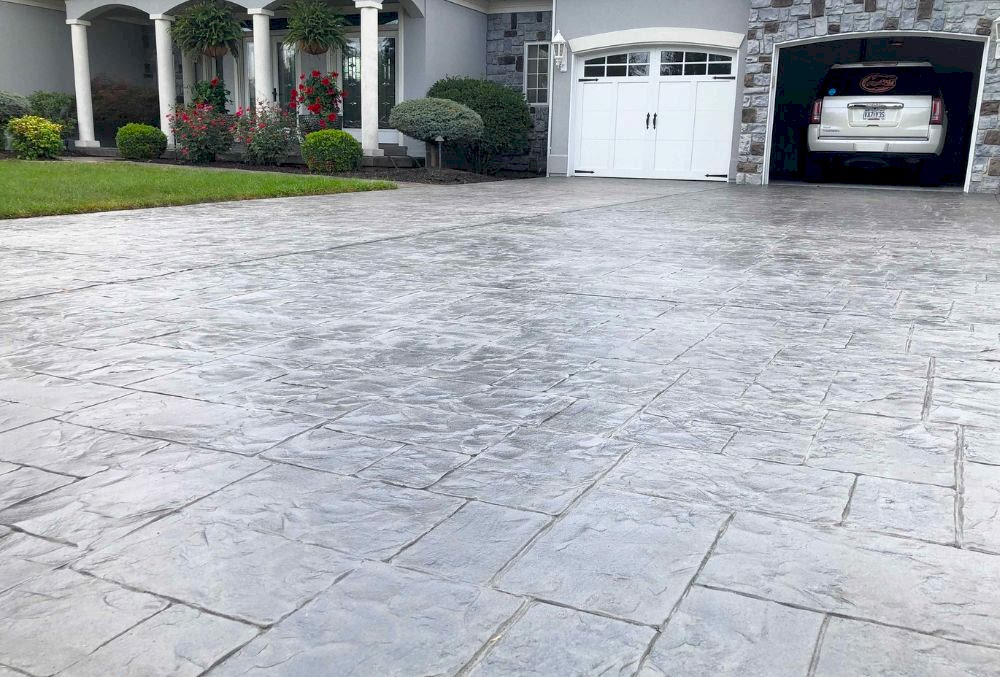
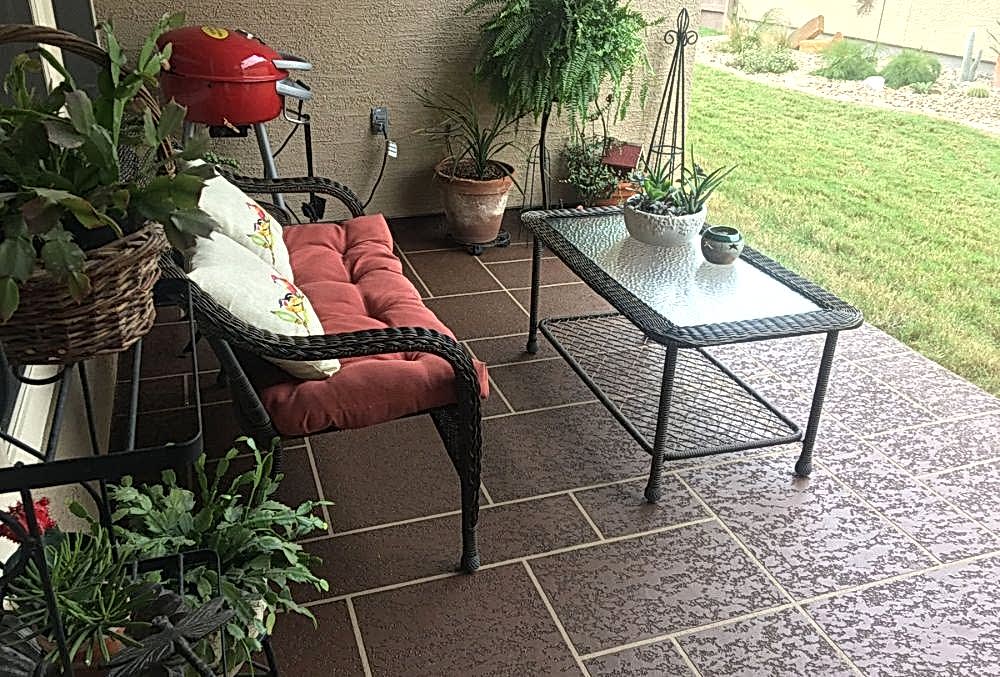
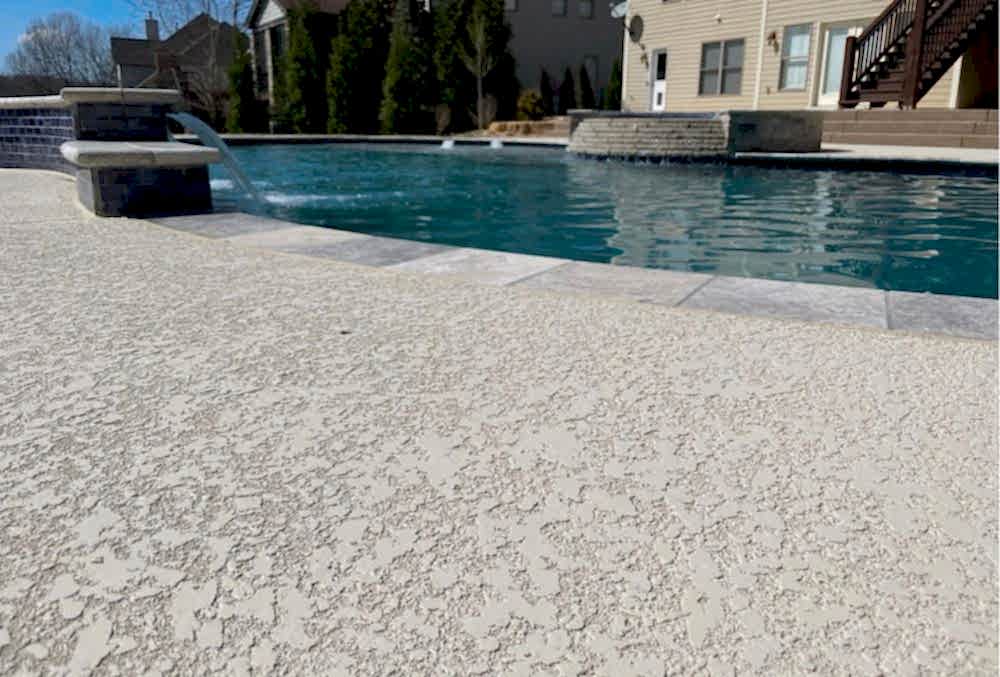
Spray texture overlays are acrylic polymer systems spray-applied over existing concrete to create a slip-resistant, textured finish. The spray knockdown finish is produced by spraying the overlay material in a deliberate pattern, then lightly troweling the peaks to create a consistent, low-profile texture.
This system is particularly well-suited for pool decks and outdoor surfaces where traction is a safety priority — the textured surface stays slip-resistant even when wet. It’s also one of the more economical overlay options, making it popular for larger surface areas like driveways and commercial walkways.
Best For: Pool decks, outdoor patios, walkways, commercial surfaces, large-area applications
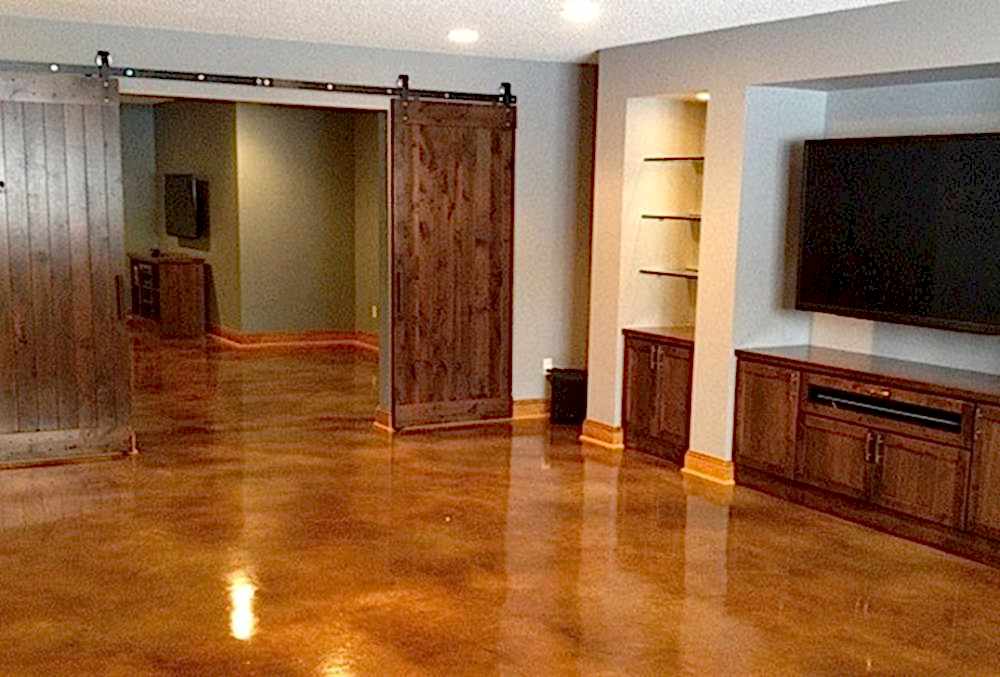
Stained concrete can be applied to a fresh overlay surface or directly to existing concrete to produce rich, translucent color effects that penetrate the surface rather than sitting on top of it. Acid staining creates unique, variegated color patterns that cannot be exactly replicated — every surface produces a one-of-a-kind result. Water-based stains offer a wider color range with more consistent results.
Stained overlays are popular for interior floors, commercial spaces, and residential areas where a modern, polished aesthetic is preferred over traditional stamped patterns.
Best For: Interior floors, basement floors, commercial spaces, modern residential aesthetics
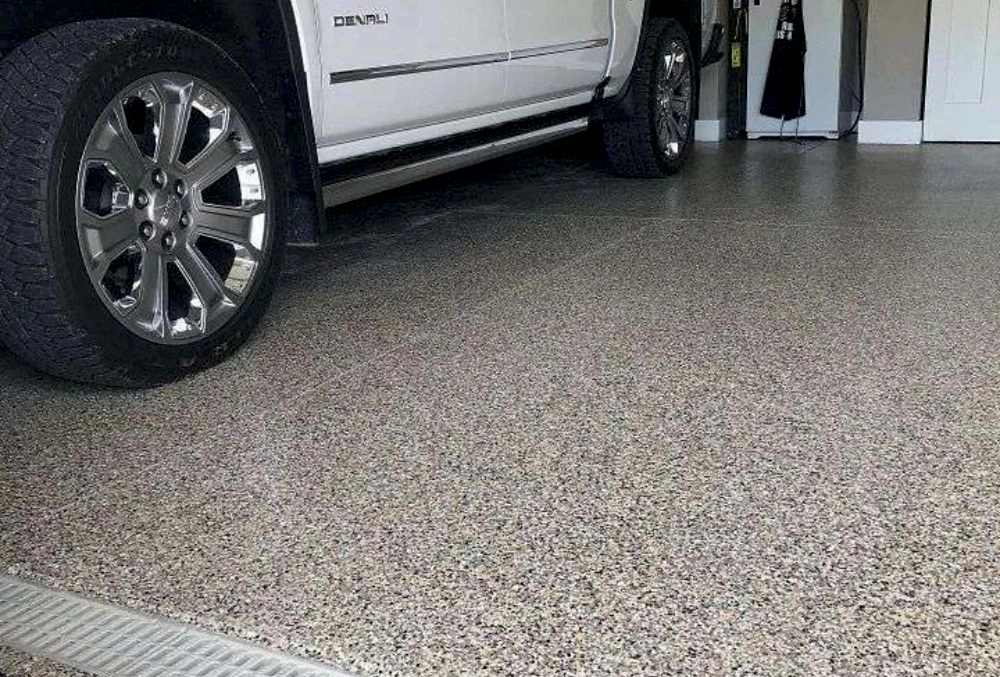
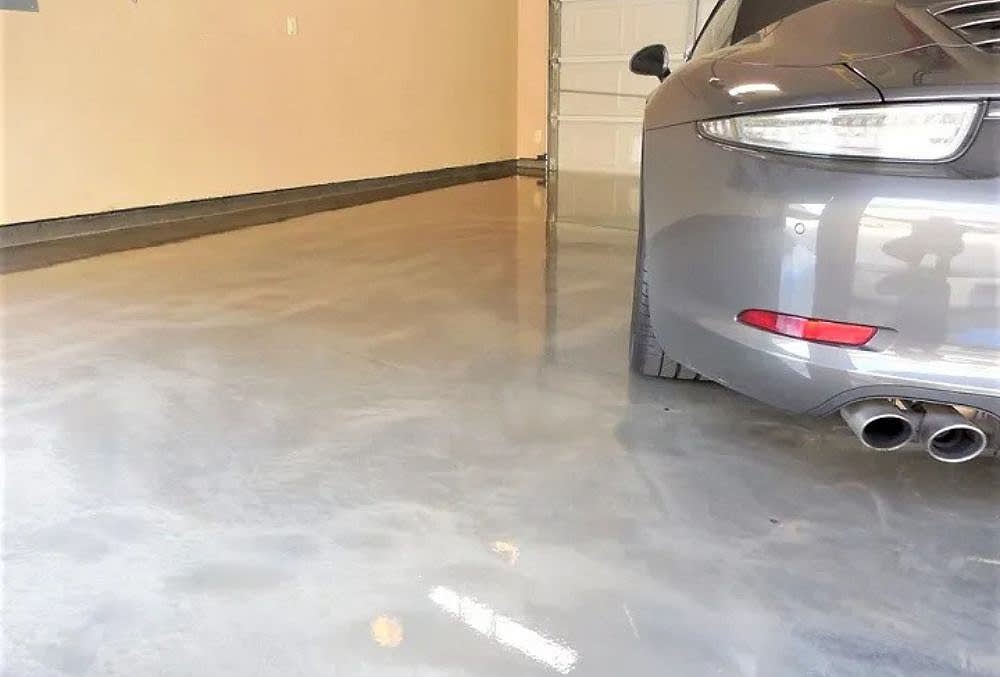
Epoxy floor coatings and polyurea polyaspartic systems are high-performance overlay options for interior surfaces — particularly garage floors and commercial spaces where chemical resistance, impact durability, and a high-gloss finish are priorities.
Epoxy overlays bond directly to prepared concrete and cure to a hard, seamless surface. Polyaspartic systems offer faster cure times and better UV resistance — making them the preferred option where the floor may see some natural light exposure.
Best For: Garage floors, basement floors, commercial and industrial interiors, high-traffic interior spaces
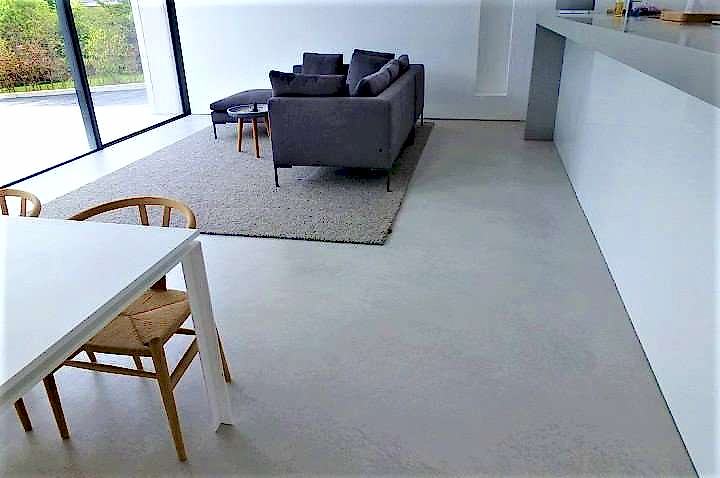
Microtoppings are ultra-thin overlay systems — typically 1/16″ to 1/8″ thick — applied to create a smooth, modern finish over existing concrete, tile, or even wood substrates. They’re a popular choice for interior renovation projects where the goal is a seamless, contemporary look without raising floor height significantly.
Self-leveling overlays are poured over uneven surfaces and naturally flow to a flat, smooth finish — ideal for interior floors with minor dips or irregularities that need to be corrected before a decorative finish is applied.
Best For: Interior renovations, modern residential and commercial floors, surface leveling
Concrete replacement is expensive, time-consuming, and disruptive. For most residential and commercial surfaces that are structurally intact, an overlay delivers a superior result at a fraction of the cost:
| Concrete Overlay | Full Replacement | |
| Cost | Significantly lower | High — demo, haul-off, pour, finish |
| Timeline | 1–3 days typical | 1–2 weeks minimum |
| Disruption | Minimal | Major — driveway, deck, or floor unavailable |
| Design options | Unlimited — texture, color, pattern | Limited to standard finishes |
| Best for | Structurally sound concrete needing cosmetic refresh | Concrete with structural failure or drainage issues |
We install concrete overlays throughout the St. Louis metro area on surfaces including:
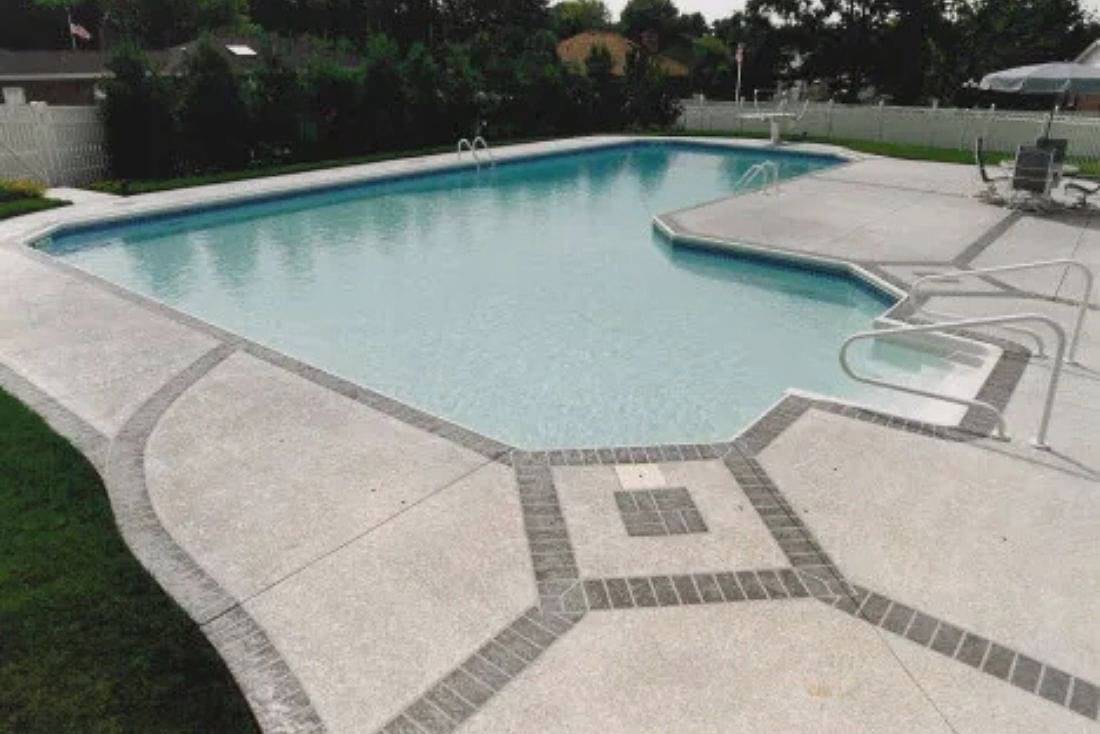
Slip-resistant spray texture and stamped overlays designed for wet conditions and outdoor UV exposure.
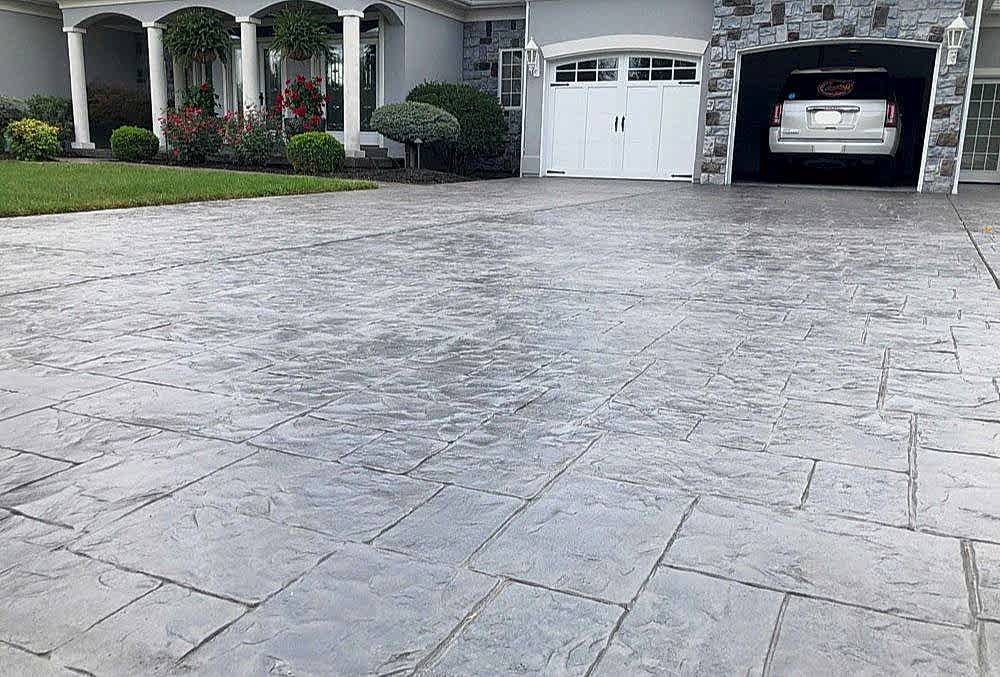
Restore cracked, stained, or faded driveways with durable, custom-finished overlay systems.
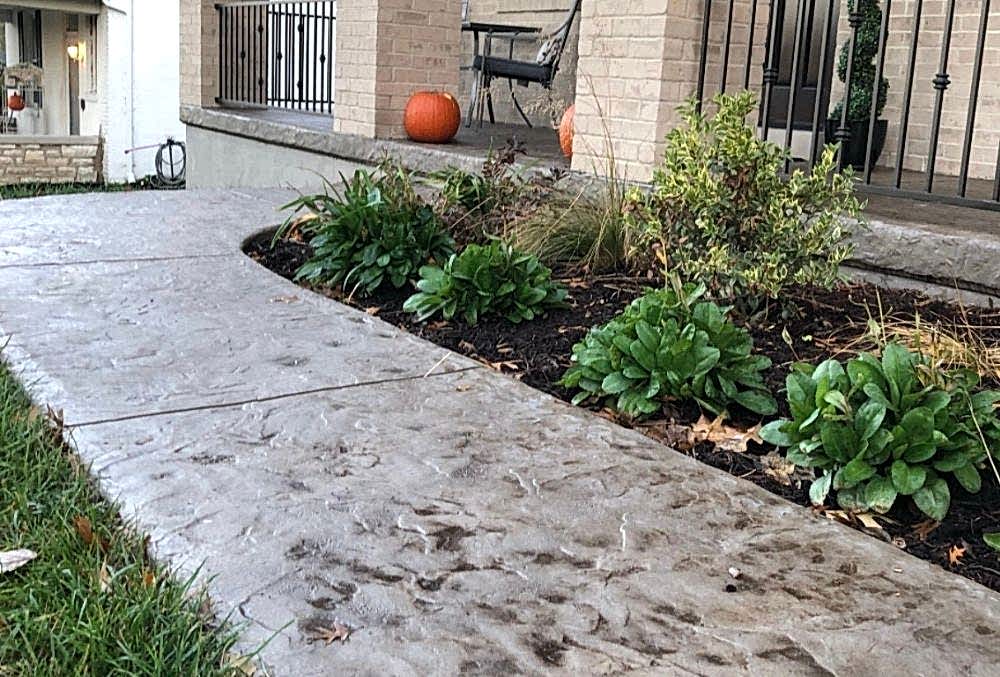
Enhance worn or uneven walkways with decorative concrete overlays that improve curb appeal, durability, and safety.
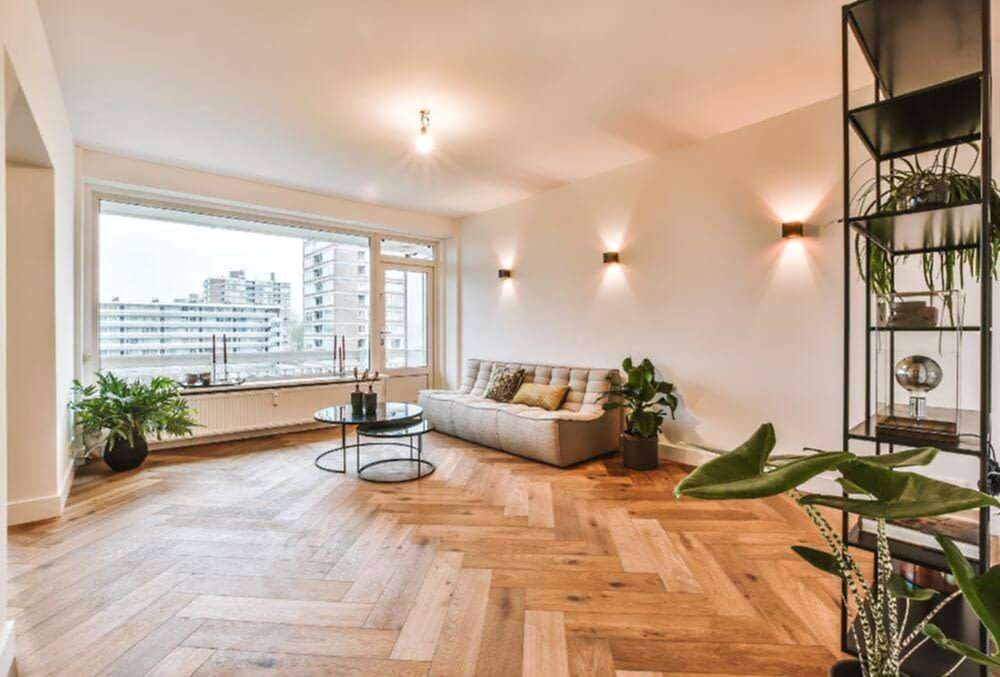
Stained, microtopping, and epoxy overlays for basements, commercial spaces, and residential interiors.
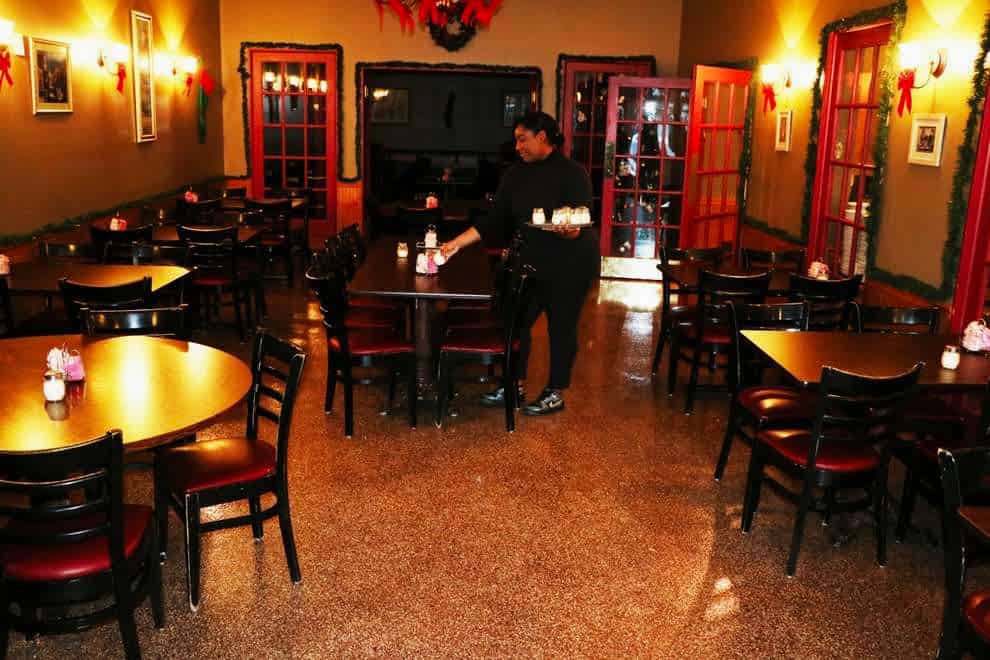
Durable, attractive overlay systems for retail, restaurant, and light-industrial floors.
Family-owned and operating since 1983
The only authorized SUNDEK applicator in the St. Louis metro area
Recognized for craftsmanship at the industry level
Our own trained crews on every project
No-obligation site evaluation for every project
We install concrete overlays throughout the greater St. Louis area including
Ellisville, MO
Manchester, MO
Chesterfield, MO
Ballwin, MO
Wildwood, MO
St. Charles, MO
and communities within a 60-mile radius of our Ballwin headquarters.
A concrete overlay is a thin polymer-modified layer applied over existing concrete to create a new surface. It bonds chemically and mechanically to the substrate, allowing it to be textured, stamped, stained, or colored without removing the underlying slab.
A properly installed concrete overlay in the St. Louis area typically lasts 10–20 years depending on the system type, surface preparation quality, level of traffic, and how well the surface is maintained and periodically resealed. Missouri’s freeze-thaw cycles make surface preparation especially important — a properly bonded overlay handles winter conditions well; an improperly prepared one can delaminate.
Yes, in most cases. Surface and hairline cracks are repaired as part of the preparation process before overlay application. Structural cracks — those showing movement or vertical displacement — need to be assessed on-site. If the underlying slab is structurally sound, an overlay is typically viable.
Overlay costs vary significantly by system type, surface area, and condition of the existing concrete. Spray texture overlays are among the most economical; decorative stamped overlays with custom colors and patterns are higher. Call (636) 256-6733 for a free on-site estimate — it’s the only way to get an accurate number for your specific surface.
The terms are often used interchangeably, but technically: resurfacing refers to restoring or replacing the surface layer of existing concrete, while an overlay refers to applying a new material layer on top of the existing slab. In practice, most decorative concrete projects involve both — surface preparation and repair followed by a decorative overlay system.
Content goes here ..